Windows don’t fail all at once. They wear down slowly, over years. You get used to the small draft, the foggy pane in the morning, the street noise coming through. Then the heating bill climbs and you wonder why.
The trouble is that people often wait too long. A window at the end of its life costs you every winter, in lost heat and in discomfort. The good news: the signs are easy to read once you know what to look for. Here are the 7 clearest ones, one by one, in plain language. If you add up two or three of them, it’s time to have your windows assessed.
1. Condensation between the panes
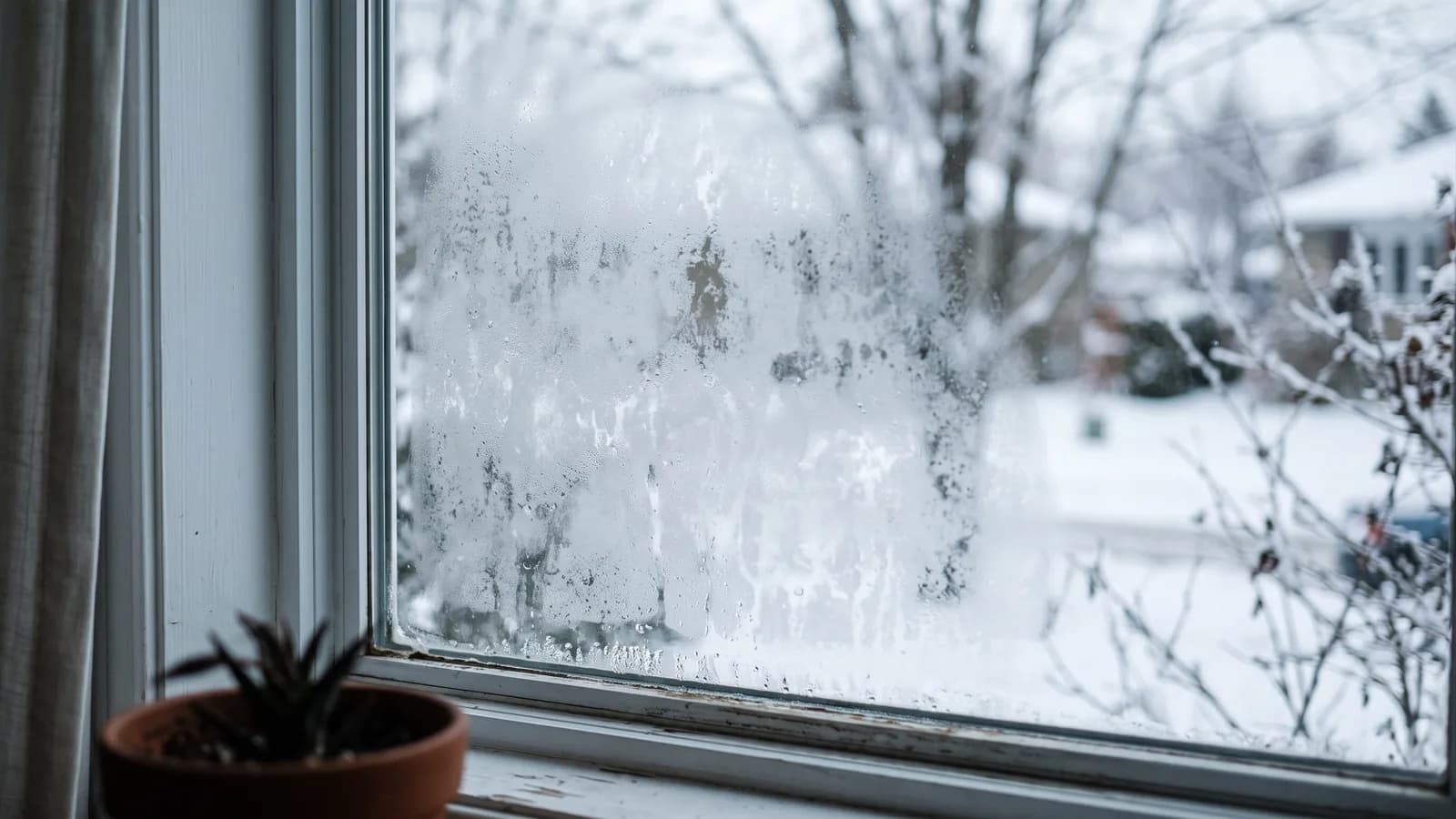
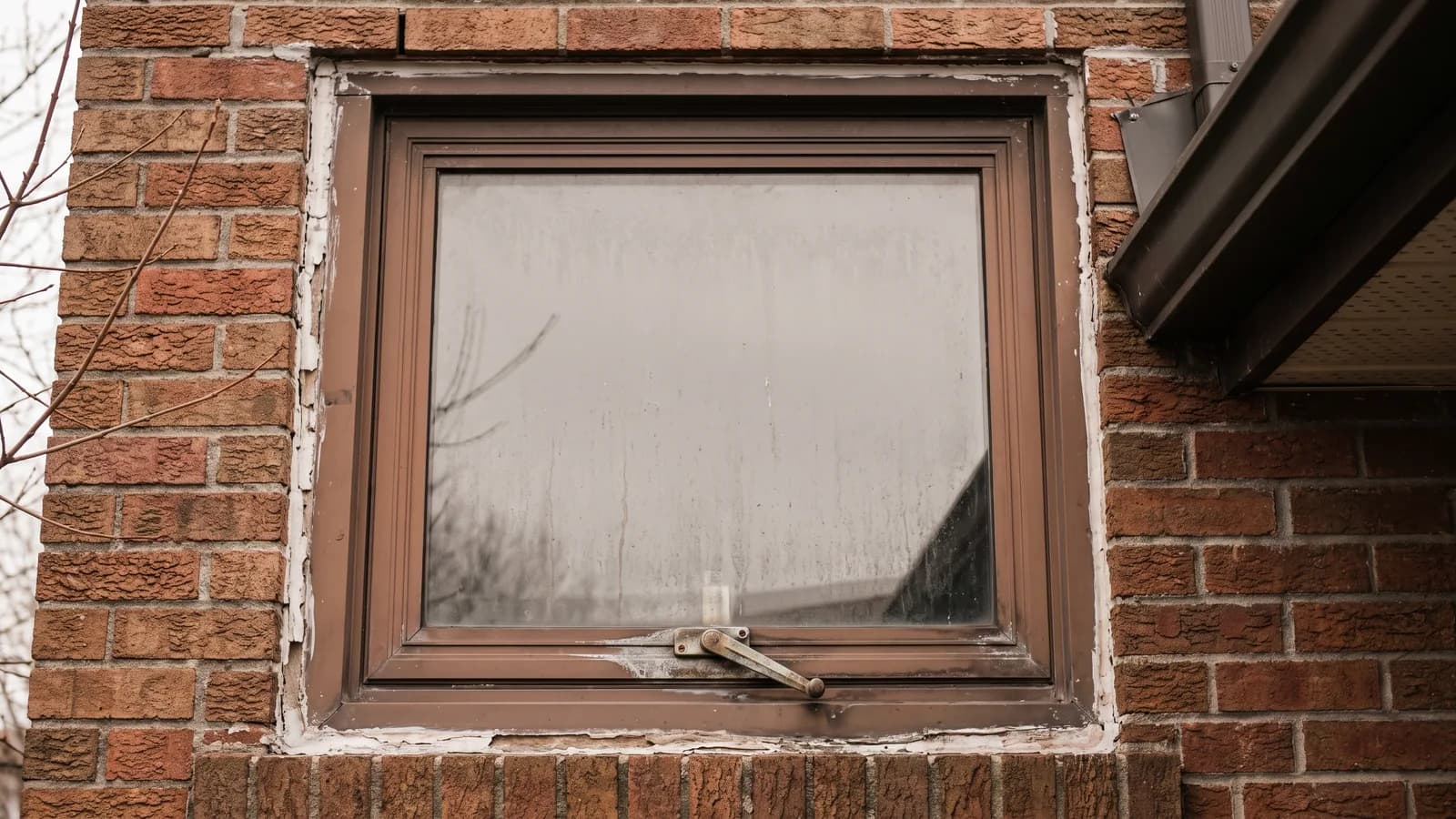
A bit of fog on the glass on a winter morning is normal: that’s indoor humidity settling on the cold surface. Fog trapped between the two panes, inside the glass, is another story.
It means the sealed joint has failed and the insulating gas, often argon, has escaped. The space between the panes no longer insulates. You can’t wipe that fog away, it’s trapped inside the sealed unit. Once the seal is dead, there’s no lasting repair: the window needs to be replaced. It’s the clearest sign on the list.
2. Drafts near the frame
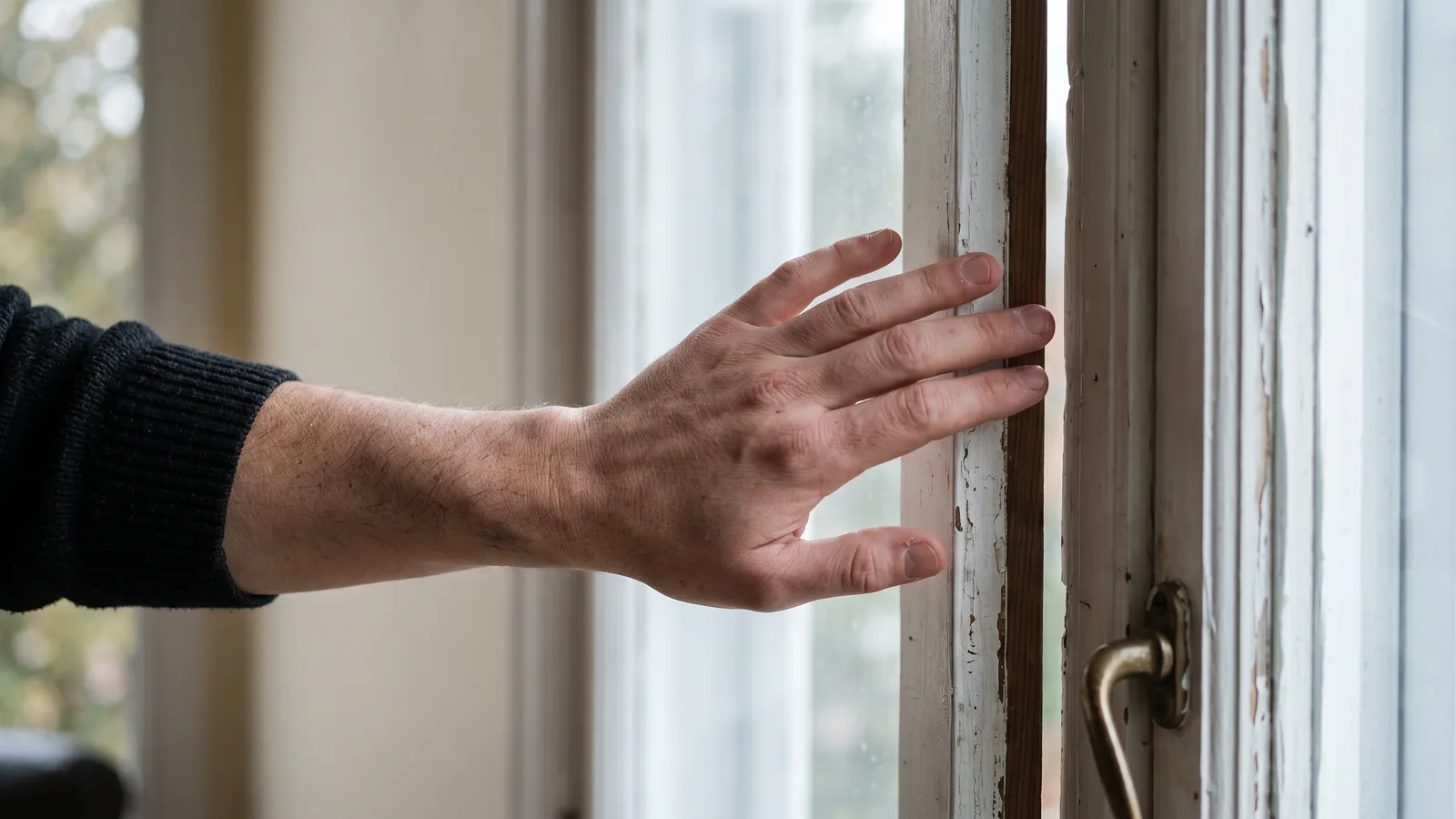
Run your hand around the frame on a windy day, especially at the corners and where the frame meets the wall. If you feel the air moving, the seal is done.
A simple test: hold a candle or a stick of incense near the frame. If the flame or the smoke wavers, there’s a leak. In winter, that’s your heat going outside and cold air coming in. Sometimes it’s just the weatherstripping to change. On an old window, it’s often the whole frame that has shifted over time.
3. Your heating bills are climbing
A gradual rise in your heating bill, with no change in your habits, often points to the building envelope. Windows are a big part of it: they let out far more heat than a well-insulated wall.
ENERGY STAR certified models are designed to limit those losses by climate zone (source: ENERGY STAR Canada, Natural Resources Canada). In Quebec, that certification is also the condition for the Rénoclimat grant: $150 per opening replaced (quebec.ca). Replacing leaky windows is one of the most rewarding moves on an energy bill.
4. They open and close poorly
A window that sticks, no longer locks well or drifts open on its own means a warped frame or worn hardware.
Beyond the discomfort, it’s a matter of safety and sealing: a window that doesn’t close all the way lets air through and locks poorly. On a crank model, the mechanism can sometimes be replaced. But if the frame itself has warped, the repair doesn’t hold for long and the problem comes back.
5. You hear everything going on outside
Street noise coming through as if the window were open points to single glazing or a dead seal. Sound travels the same paths as air.
Good double or triple glazing, with different glass thicknesses, clearly improves acoustic comfort. If you live near a busy street, a school or a rail line, that’s often the gain people notice first after a replacement, even before the lower bill.
6. It feels cold near the windows
A room where you avoid sitting near the window in January is a sign. The cold glass creates a feeling of discomfort even when the thermostat reads the right temperature.
This is what we call cold radiation: your body loses its heat toward the cold surface of the glass. High-performance glazing, with a low-emissivity (low-E) coating, keeps the indoor surface warmer and makes that feeling disappear. You get back rooms that were unusable in winter.
7. They’re more than 20 years old
Age alone doesn’t condemn a window. But after 20 to 25 years, most models have lost a good part of their performance: the seals age, the insulating gases slowly escape, the hardware wears out.
If you add age to one or two other signs on this list, it’s worth an assessment. You don’t have to guess at everything: an experienced eye quickly sees whether a window still has good years ahead of it or not.
One more factor in Quebec: our winters
Our temperature swings put windows through a lot. Freezing, thawing, humidity and deep cold speed up the wear on seals and frames, especially on models installed before the 2000s. In Laval and across Greater Montreal, many homes have original windows from the 1980s and 1990s that are reaching the end of their life right now.
That’s also why ENERGY STAR certification is adjusted by climate zone in Canada: a window judged high-performance here isn’t rated by the same criteria as in British Columbia. It’s a detail we always check when we compare quotes for you, so the product is truly suited to our climate.
Can it wait one more winter?
Sometimes yes, sometimes no. A single mild sign, like a bit of noise, isn’t urgent. But condensation between the panes or marked drafts cost you money every month of heating. The longer you wait, the more you pay in lost energy.
You don’t have to replace everything at once, either. We can prioritize the rooms most affected, often the bedrooms and the living room, and spread the project over a few years. What matters is starting from a clear picture of the state of your windows.
Where to start with the replacement
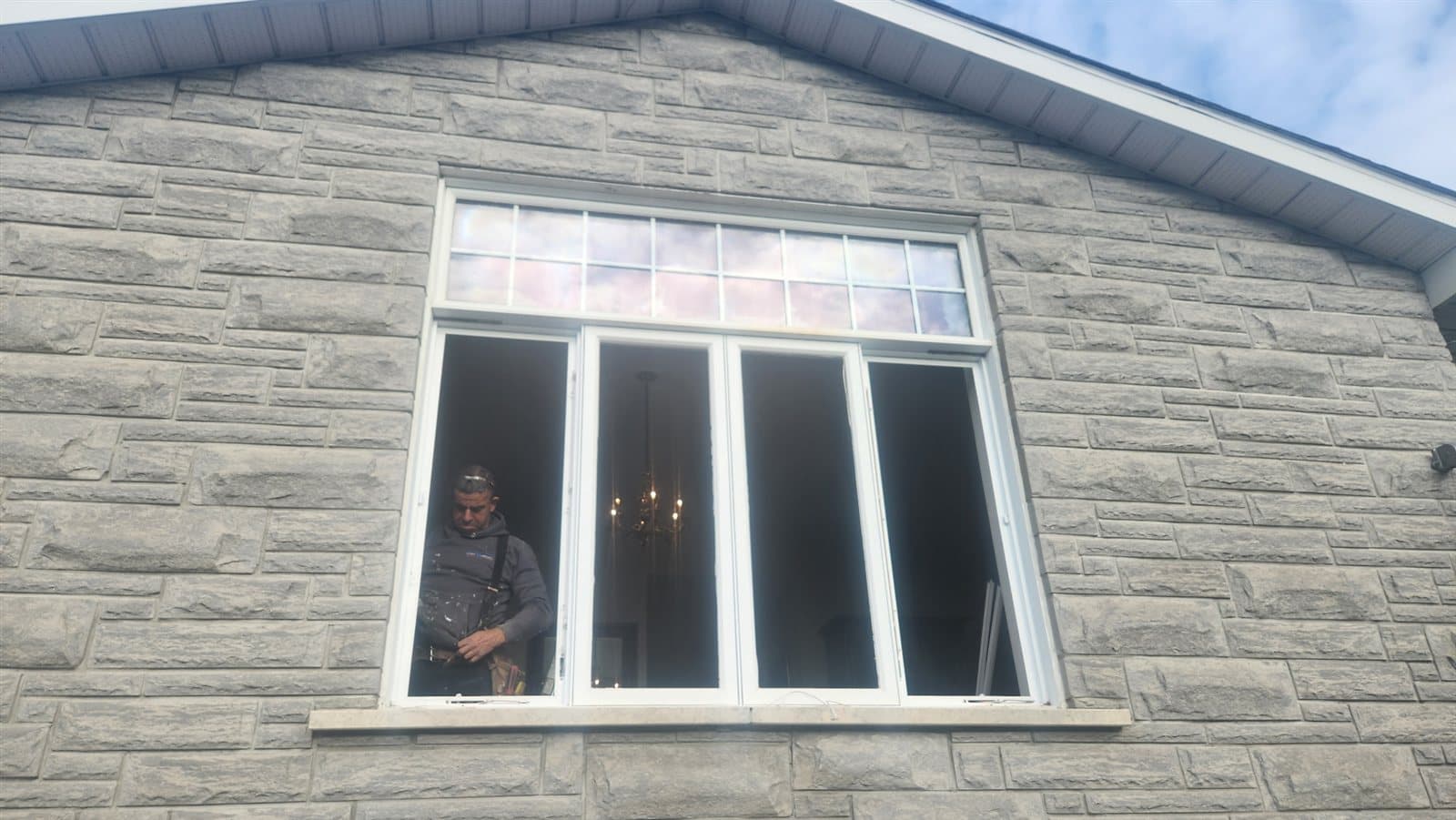
Once the decision is made, the real question becomes: which material, which model, which window installation company. PVC offers the best value for the money. Aluminum plays to large glazed surfaces and a contemporary look. Hybrid combines the two, with PVC inside and aluminum outside. Each has its place depending on your openings and your budget.
There’s no wrong choice, only one better suited to your home. And if you’re unsure, that’s exactly the kind of decision we look at with you, window by window, without ever pushing one brand in particular.
And then?
Recognizing the problem is the first step. Next comes comparing the right options without having a brand pushed on you, and without spending your evenings on the phone with five companies.
That’s exactly where we come in. We shop the quotes for you, compare them with you line by line, and check whether your project qualifies for the Rénoclimat grant. You stay in control from start to finish, at your pace. And it starts with a simple assessment, free.
Frequently asked questions
No. We can prioritize the rooms most affected and spread the project over a few years. We help you frame what’s most worthwhile to replace first.
No. When the sealed joint has failed, the glass unit needs to be replaced, not cleaned. We explain the options at your pace.
Generally 20 to 25 years for a quality window that’s well installed. Some last longer, others less, depending on exposure, upkeep and the original install. After 20 years, it’s worth watching for the signs on this list.
Worn hardware or weatherstripping can be repaired. A dead sealed joint, a warped frame or single glazing cannot: we replace. We help you sort it out before you spend.
Often, yes. In Quebec, ENERGY STAR certified windows can be eligible for Rénoclimat: $150 per opening replaced (quebec.ca). We check your eligibility and point you toward products that qualify for the support.